Architectural Details That Tell Stories
Learn to spot the carved ornaments, window styles, and painted details that make each wooden building unique and what they reveal about when it was built.

Ornamental Carvings: Windows Into the Past
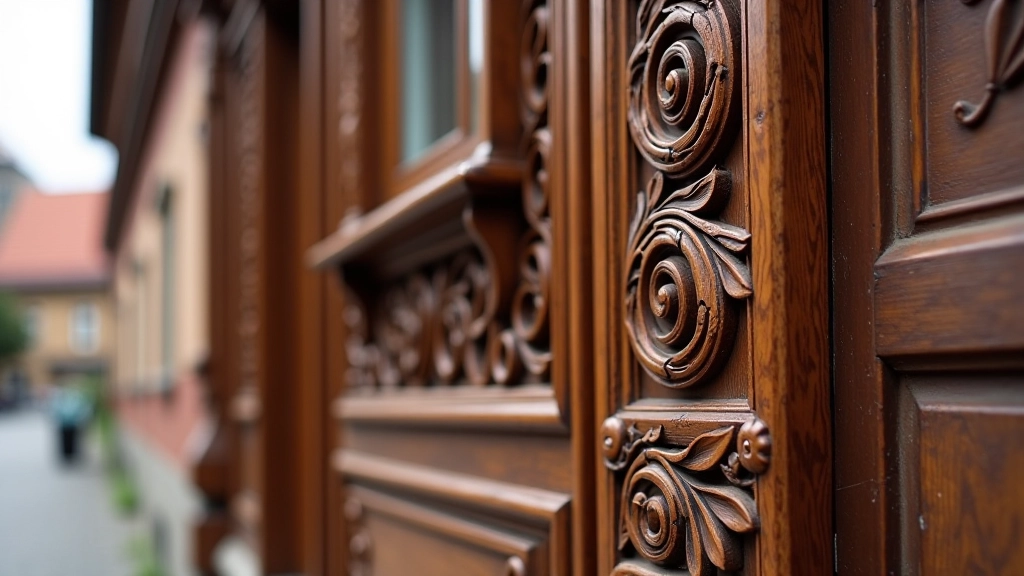
Every carved detail on a wooden building serves as a time capsule. The intricate patterns you see above doorways and framing windows weren't just decoration — they were statements of prosperity and craftsmanship. Look closely at the moldings, and you'll notice they follow distinct styles that changed throughout the 19th and early 20th centuries.
The earliest wooden buildings in Kalnciema, dating back to the 1860s, feature simpler geometric patterns — straight lines, basic rosettes, and understated flourishes. But as we move into the 1890s and early 1900s, the ornaments become increasingly elaborate. You'll find acanthus leaves, scrollwork, and nature-inspired motifs that reflect the Art Nouveau movement sweeping through Riga.
The key difference? Look at the depth of the carving. Early buildings have shallow relief carvings that catch light subtly. Later buildings showcase deeper, more dramatic cuts. This technique required skilled woodcarvers — the kind of labor that only wealthy merchants and upper-class residents could afford. So ornate carvings often indicate when a building's original owner had money to spend on artistry.
Window Styles: Dating Buildings by Glass
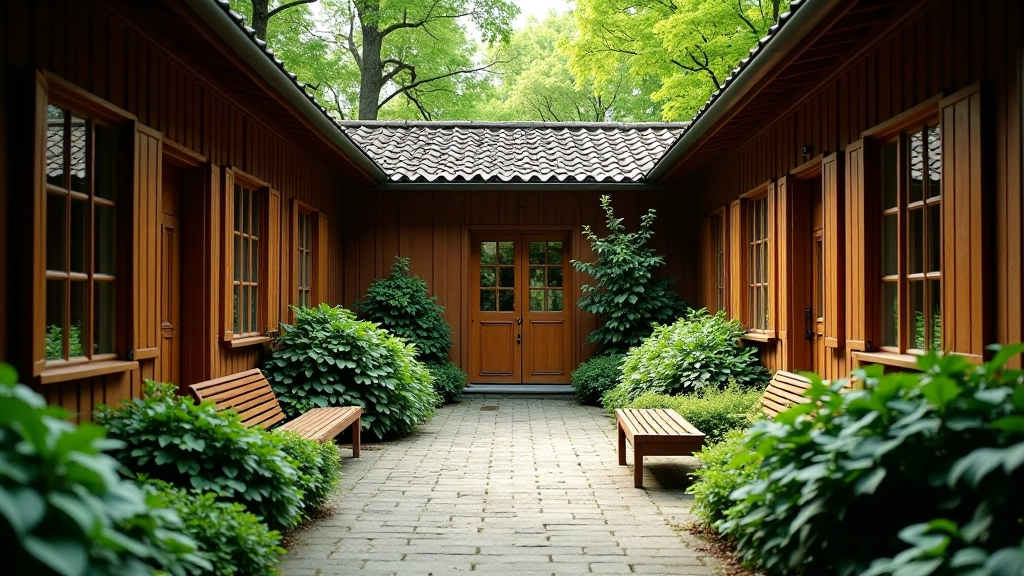
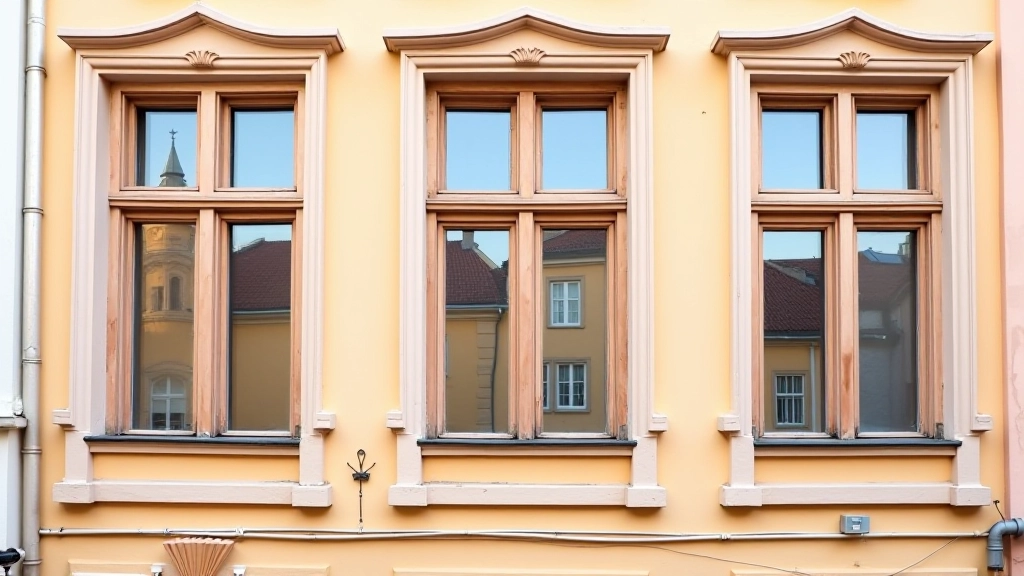
Windows are like fingerprints on buildings. They're often the first thing to get replaced when a structure is modernized, but when you find original windows, they tell you exactly when that building was constructed. Walk down any street in Pārdaugava and you'll spot at least three different window styles within a single block.
The Pattern to Look For: Pre-1880 buildings typically have 12-pane windows (four rows of three panes). By the 1890s, 8-pane windows became standard (two rows of four). Early 1900s brought 6-pane windows. If you see single-pane glass, that's a later replacement.
Beyond the number of panes, notice the frame thickness and the muntins — those are the thin wooden strips holding the panes in place. Early muntins were chunky and visible from the street. As time went on and glazing technology improved, muntins got thinner and more delicate. It's a subtle difference, but once you train your eye to spot it, you'll start dating buildings instinctively.
The window surrounds — the decorative frames around the windows — also evolved. Simple, squared-off surrounds indicate older buildings. Rounded corners and molded trim suggest the 1890s-1910s period. By the 1920s, Art Deco influences appeared with geometric, streamlined frames.
Important Note
This guide presents architectural styles and dating methods based on documented historical records of Riga's wooden architecture development. Dating estimates are approximate and should be confirmed through official building records when precision is important. Building histories can be complex — some structures were significantly remodeled, and architectural elements from different periods may be combined on a single facade. This information is intended for educational exploration and cultural appreciation of Riga's heritage district. Always respect private properties and building regulations when conducting architectural observation.
Paint Colors & Patterns: The Fashion of Facades
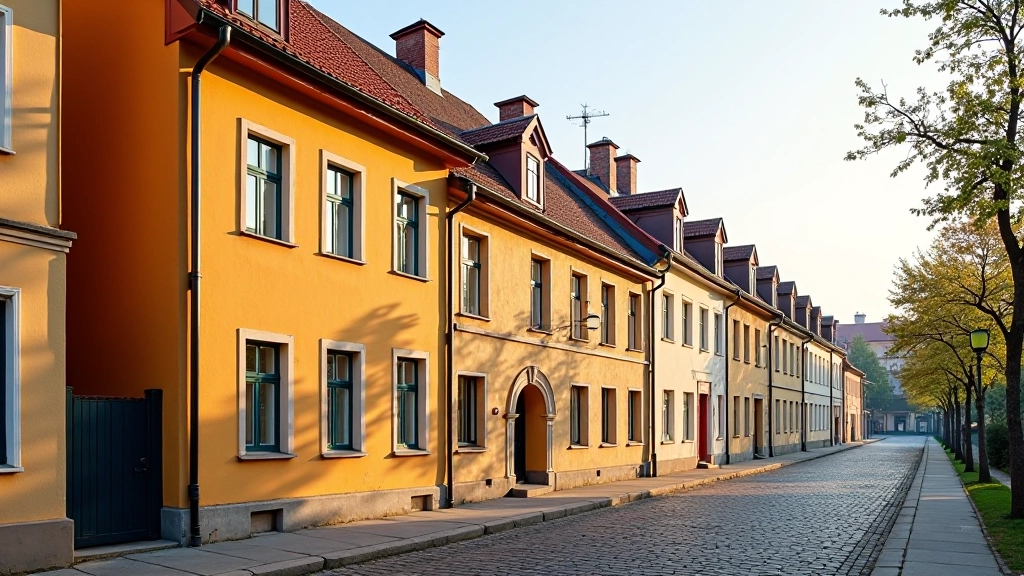
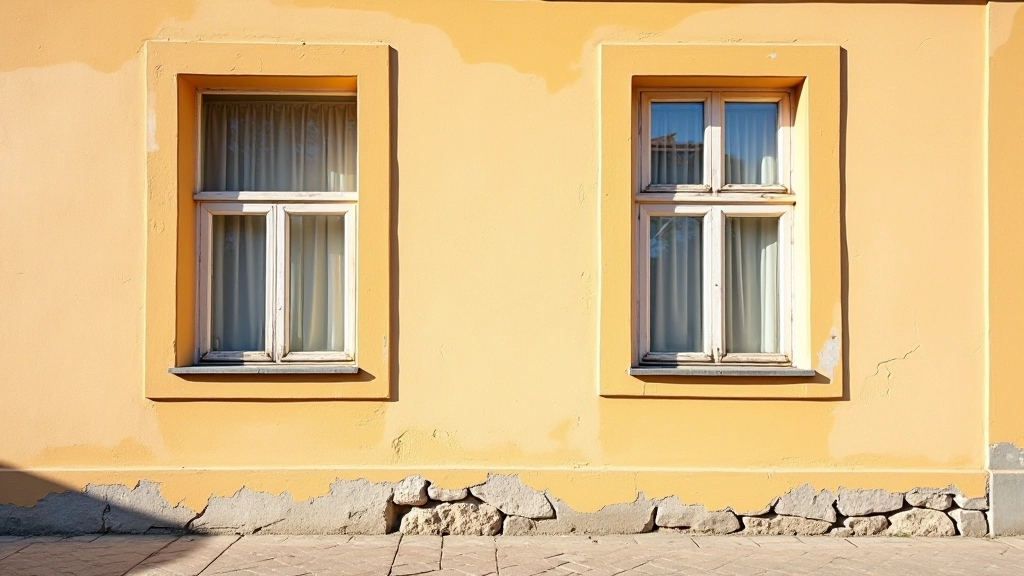
Paint color preferences changed with the decades just like clothing fashions. If you've walked through these neighborhoods, you've probably noticed that most buildings are painted in earth tones — ochres, reds, soft yellows, and creams. But there's more to it than just aesthetics. These colors were actually practical choices for the time.
In the late 1800s, ochre and deep reds were the dominant colors because they were made from iron oxide pigments — affordable and long-lasting in northern climates. The 1920s brought lighter, more refined palettes: pale greens, soft pinks, and whites. These reflected the optimism of the interwar period and the influence of modernist design movements. You'll rarely see a building painted bright neon colors because that's just not part of Riga's architectural identity.
Look for decorative striping and banding — horizontal lines painted in contrasting colors that frame windows or mark different floor levels. These paint details reveal a lot about when the paint job was done and what the owner wanted to emphasize. Narrow stripes (less than 2 inches wide) suggest earlier work. Bolder bands came later.
Roofline Details & Cornices: Where the Sky Meets the Story
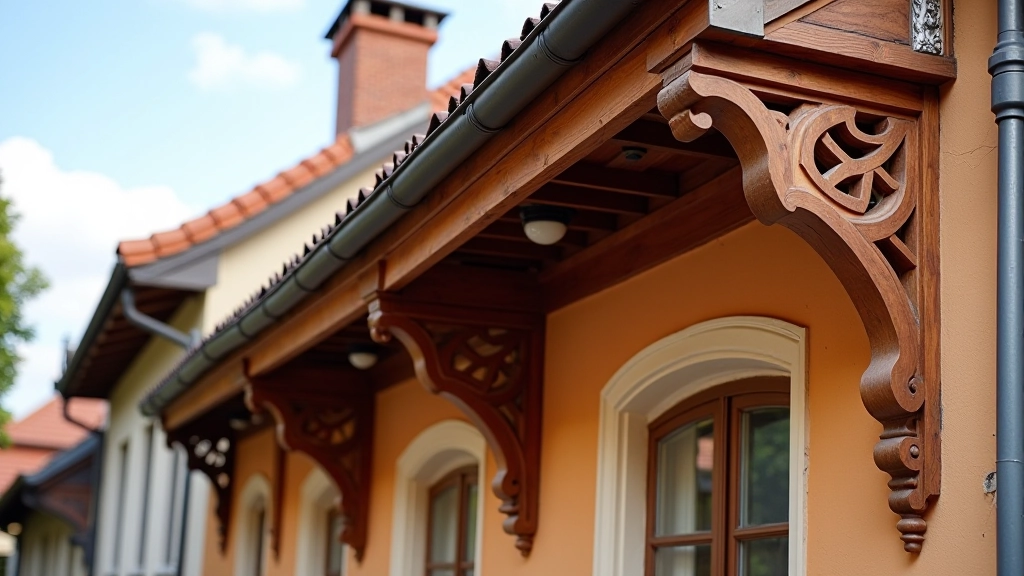
The cornices at the roofline are some of the most visually striking architectural elements — and they're surprisingly informative. The complexity of cornice work directly correlates with the building's age and the owner's wealth. Simple, minimal cornices indicate 1860s-1870s construction. More elaborate, bracketed cornices with multiple layers suggest 1890s-1910s buildings.
What to Notice:
- Bracket style — early brackets are rectangular; later ones become more ornate with scrollwork
- Number of cornice layers — one or two layers suggests older construction; three or more indicates later period
- Dentil molding — small rectangular blocks along the cornice edge appear more frequently in 1890s-1920s buildings
- Material condition — original wood cornices often show splits and weathering patterns that follow the grain
The cornices also served a practical purpose — they protected the wooden walls from rain runoff. Notice how the cornice projects out from the wall. The deeper the projection, the better the protection. This functional design became increasingly refined over time as builders learned what worked best in Riga's rainy climate.
Putting It All Together on Your Next Walk
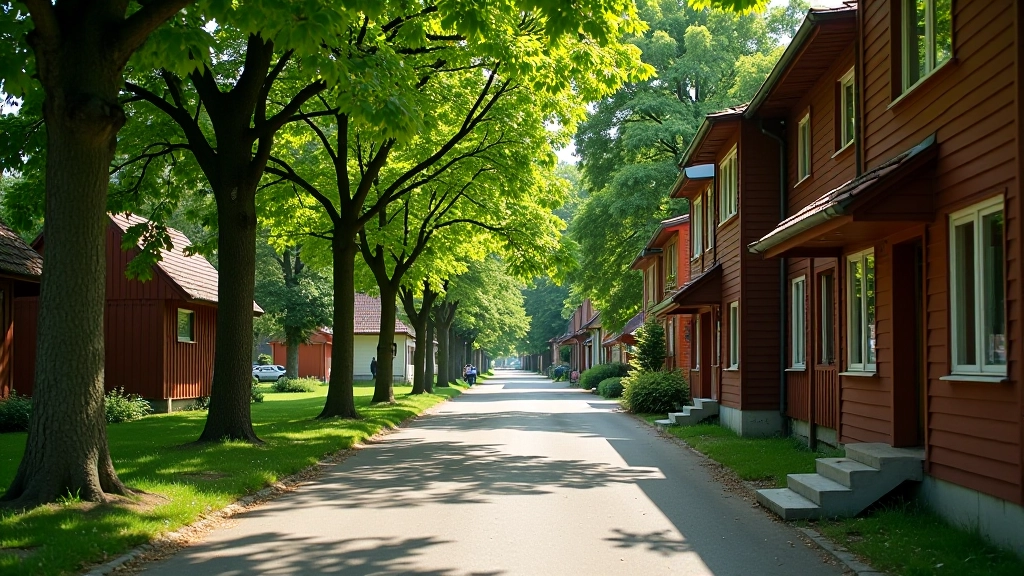
The next time you're strolling through Kalnciema Quarter or exploring Pārdaugava's backstreets, you're not just looking at buildings — you're reading a visual history of Riga's development. Start with the window style to narrow down the decade. Then check the ornamental carvings for depth and complexity. Look at the paint colors and how they've weathered. Finally, examine the cornices and roof details. Within a few minutes, you'll be able to estimate when most buildings were constructed.
The beauty of these neighborhoods isn't just in individual buildings — it's in seeing how architecture evolved block by block, reflecting the changing tastes, economic conditions, and technical capabilities of different eras. Once you start seeing these patterns, you'll notice them everywhere. That building with the shallow carvings and simple 12-pane windows? It's probably from the 1870s. The one next door with elaborate brackets and Art Nouveau details? That's got to be from around 1905.
These architectural details aren't just beautiful — they're evidence of the craftspeople, merchants, and families who lived here. Every carved flourish, every paint color choice, every window replacement tells part of Riga's story. And now you know how to read it.
Ready to explore these architectural treasures in person?
Discover the Kalnciema Walking RouteExplore More Wooden Architecture Walks