The Stories Behind Wooden Courtyards
Discover the hidden passages, communal spaces, and architectural secrets that connect Riga's wooden neighborhoods

What Makes Wooden Courtyards Special
Courtyards aren't just empty spaces between buildings. They're the heart of Riga's wooden districts. We're talking about those connected passages and interior squares that sit right behind the street facades — places where residents once gathered, children played, and daily life actually happened.
These courtyards tell stories about how people lived. They're connected by narrow gateways, surrounded by workshops and storage areas, and often feature wells or water pumps at their centers. The architecture reveals layers of history. Some courtyards date back to the 1850s. Others were expanded and rebuilt through the early 1900s.
The Layout and Design
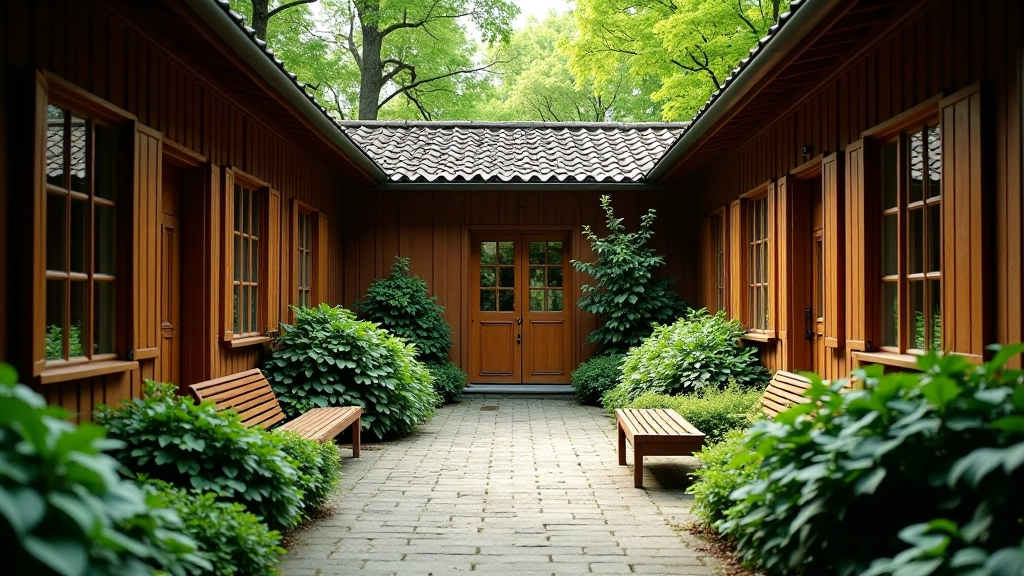
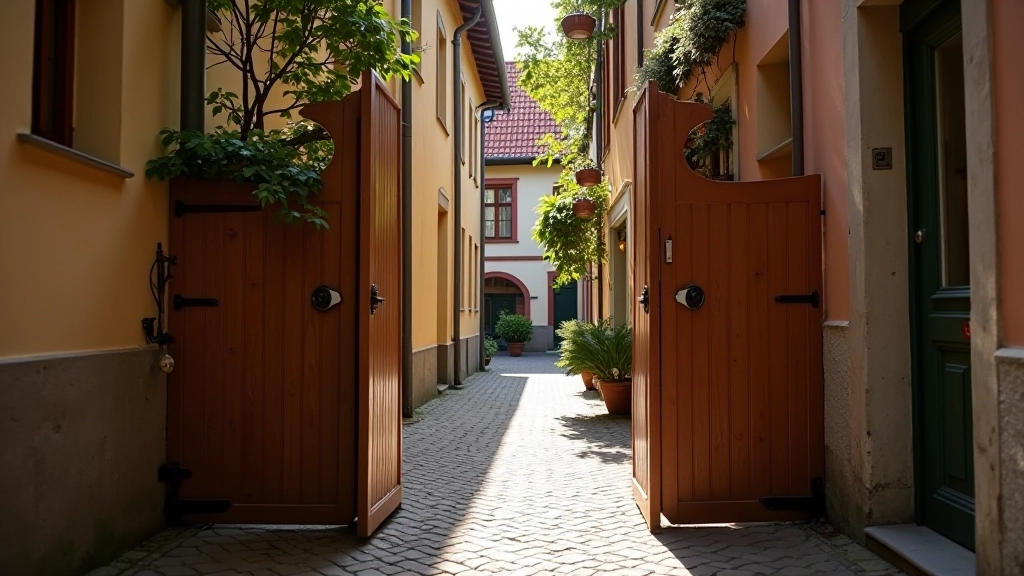
Most courtyards in Kalnciema and Pārdaugava follow a similar pattern. A narrow gateway — sometimes just wide enough for a cart — opens onto an interior space. This isn't random. It's functional design.
You'll notice the buildings surrounding the courtyard are often four or five stories tall. The ground level has service spaces: workshops, storage, maybe a small shop. Upper floors were residential. The courtyard itself stays relatively open, which meant better light and air circulation for everyone.
What's really interesting is how these spaces connect. Many courtyards aren't isolated. They link to neighboring courtyards through additional passages. It's like a hidden network running parallel to the street. Residents could move between different blocks without going back outside.
How People Actually Used Them
Living in these spaces meant sharing. Courtyards were community areas. You'd find communal water pumps — essential before piped water became standard. Residents stored firewood here. Children played while adults worked in ground-level workshops.
Many courtyards had small gardens or vegetable patches. This wasn't decoration. It was practical. Fresh vegetables meant food security for families living in dense urban blocks. You'd find fruit trees, herb gardens, even small chicken runs in some spaces.
The courtyards also served practical functions. They provided access to rear exits, which meant escape routes in case of fire — a serious concern with wooden buildings. They allowed deliveries and goods to be moved without blocking the street. Some had small wells or rain-collection systems for water.
Visiting Courtyards Respectfully
Many courtyards are still active residential spaces. These aren't public attractions — they're people's homes. When you're exploring, remember that residents live and work here. Keep noise to a minimum. Don't photograph people without permission. Don't block passages or linger unnecessarily. Some courtyards have locked gates because they're private property. Respect those boundaries. The best courtyards to explore are those with open public access or those where you're clearly invited as a visitor.
What You'll Actually See Today
Walking through courtyards today, you're seeing spaces that have changed but maintained their character. Some have been renovated with modern utilities while keeping the original layout. Others remain more authentic to their historical state. You'll notice different stages of maintenance — some buildings are freshly painted, others show the wear of decades.
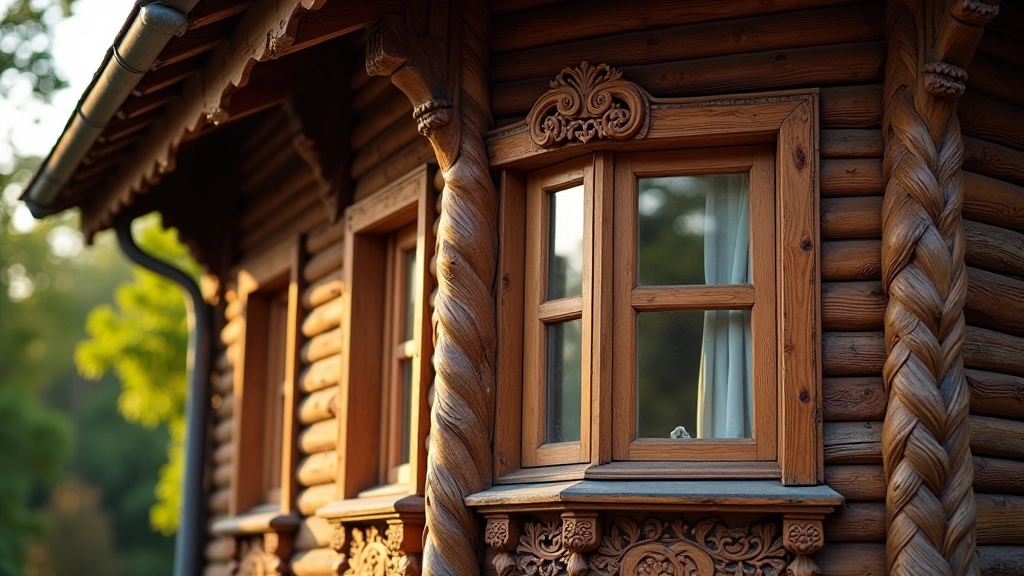
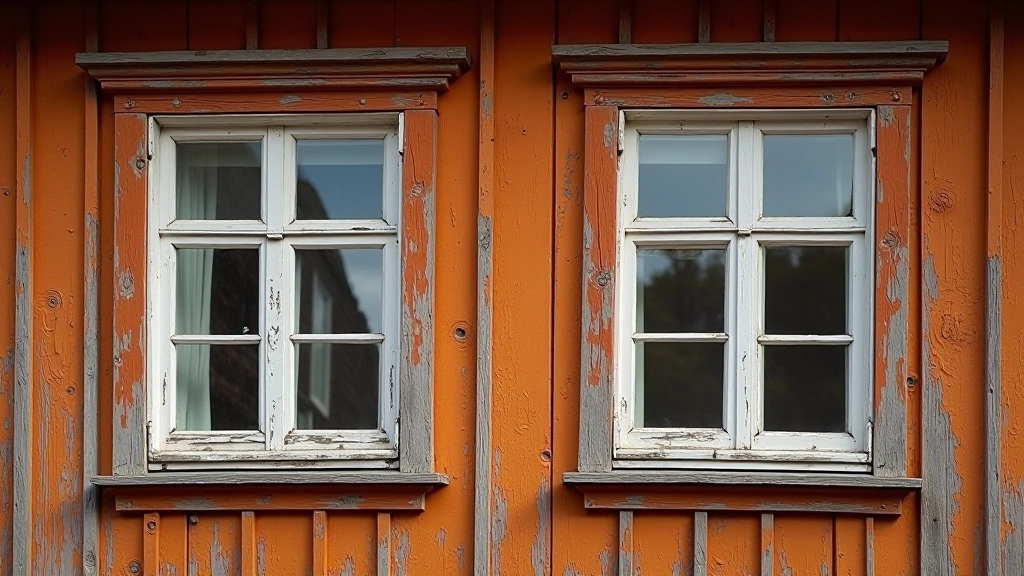
Look for the details. Original wooden window frames tell stories about craftsmanship. Worn cobblestones show where carts rolled regularly. Carved wooden decorations on building edges reflect when they were built and who constructed them. Some courtyards have small plaques or historical markers explaining their history.
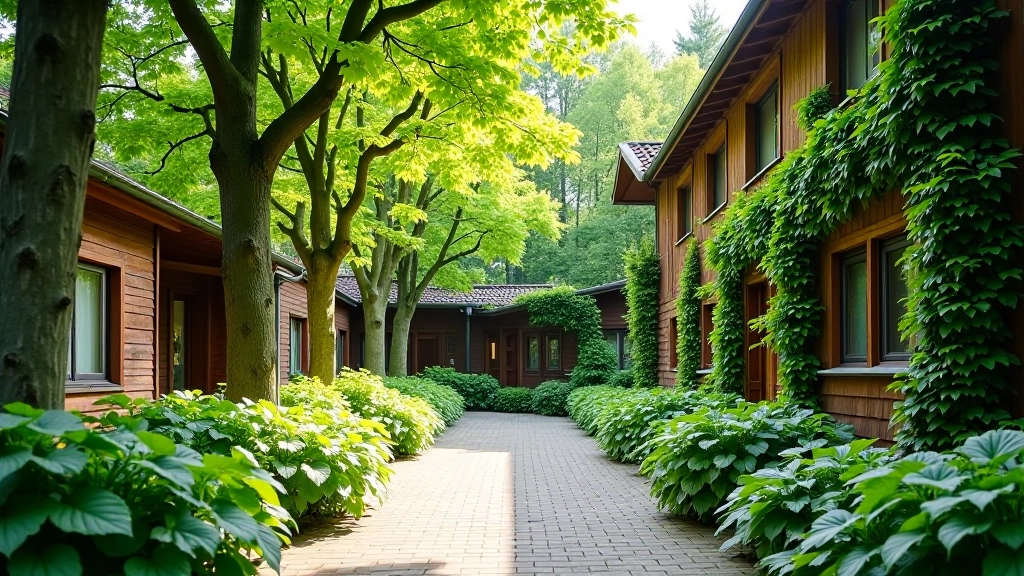
The plants matter too. You'll find mature trees that have stood for a century. Some courtyards have become surprisingly green, with climbing ivy on walls and flowering plants breaking up the stonework. This greenery wasn't always intentional — it's what happens when spaces are protected from the street and given time to evolve naturally.
Why These Spaces Matter
Wooden courtyards aren't just architectural features. They're evidence of how people organized their lives. They show practical problem-solving — how to fit community into dense urban space. They demonstrate that good urban design doesn't need to be complicated. It just needs to understand how people actually live.
These courtyards have survived because they're functional. They've adapted as neighborhoods changed. Some became more commercial, others more residential. Many became quieter as modern infrastructure moved services above and below ground. But the bones of the design remain — passages that connect, spaces that gather people, layouts that balance private and shared areas.
When you're walking through Kalnciema or Pārdaugava, take time to step into these courtyards. Look at how the light falls. Notice how the sound changes when you move from street to interior space. Feel the difference in temperature and humidity. These sensory details help you understand why people built this way and why these neighborhoods remain special more than a century later.
Continue Learning